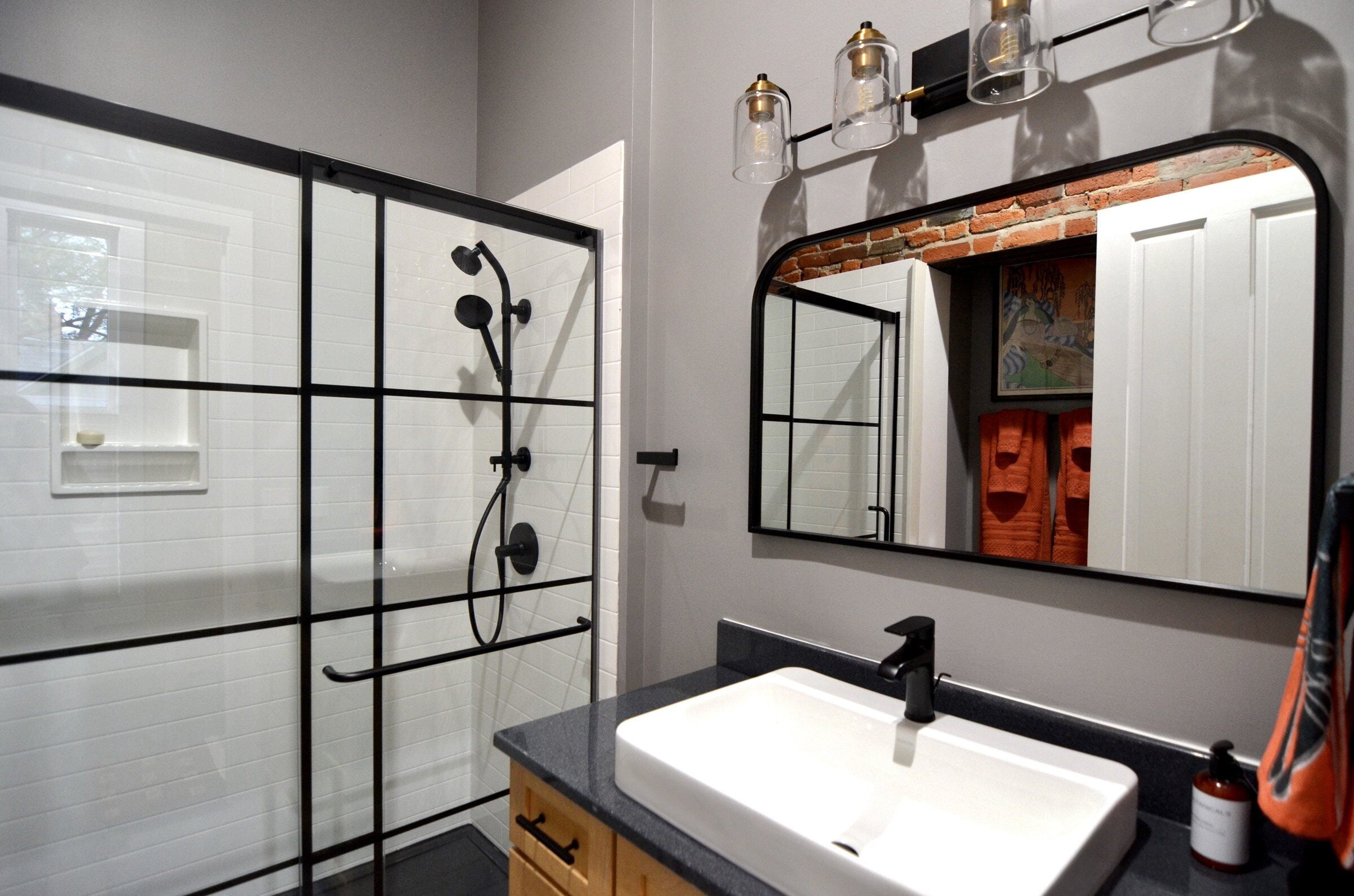
Choosing a contractor is the decision that determines how your remodel goes. Everything else follows from it. Here are ten steps worth taking before you sign anything.
Why hiring the right contractor matters
You are not really buying tile and fixtures. You are buying the judgement of the people installing them and the way they behave when something unexpected turns up. Those are hard to assess from a quote, which is why the steps below focus on how a company works rather than what it charges.
Step 1: Get clear on your goals
Write down what has to change and what you would like to change. A contractor can only quote what you can describe.
Step 2: Look for proven experience
Ask how many bathrooms they complete in a year and how long they have been doing it. Bathrooms are unforgiving, and experience shows up in the details you cannot see.
Step 3: Check licensing, insurance and credentials
Ask directly and expect a straight answer. A licensed and insured company protects you if something goes wrong on your property.
Step 4: Learn what it is actually like to work with them
Read reviews for patterns rather than scores. Recurring comments about communication, cleanliness and schedule tell you more than a star average.
Step 5: Review their portfolio
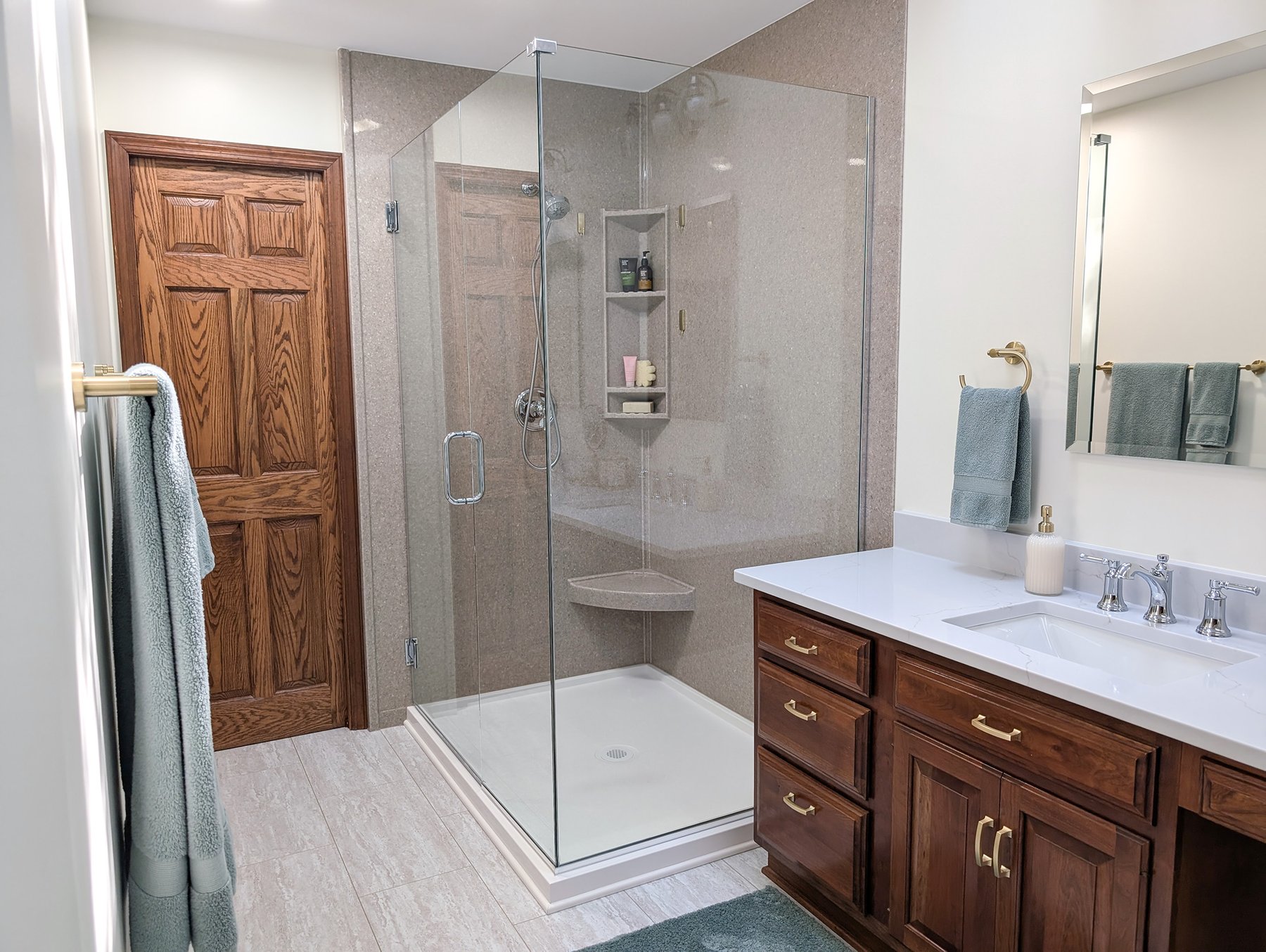
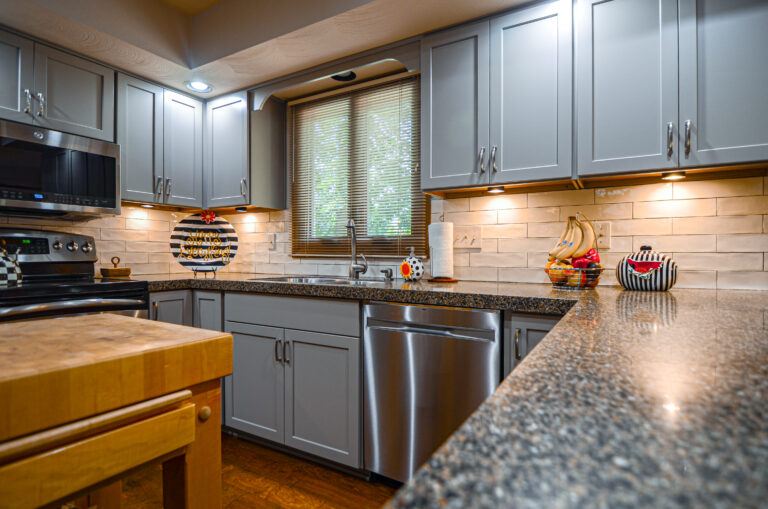
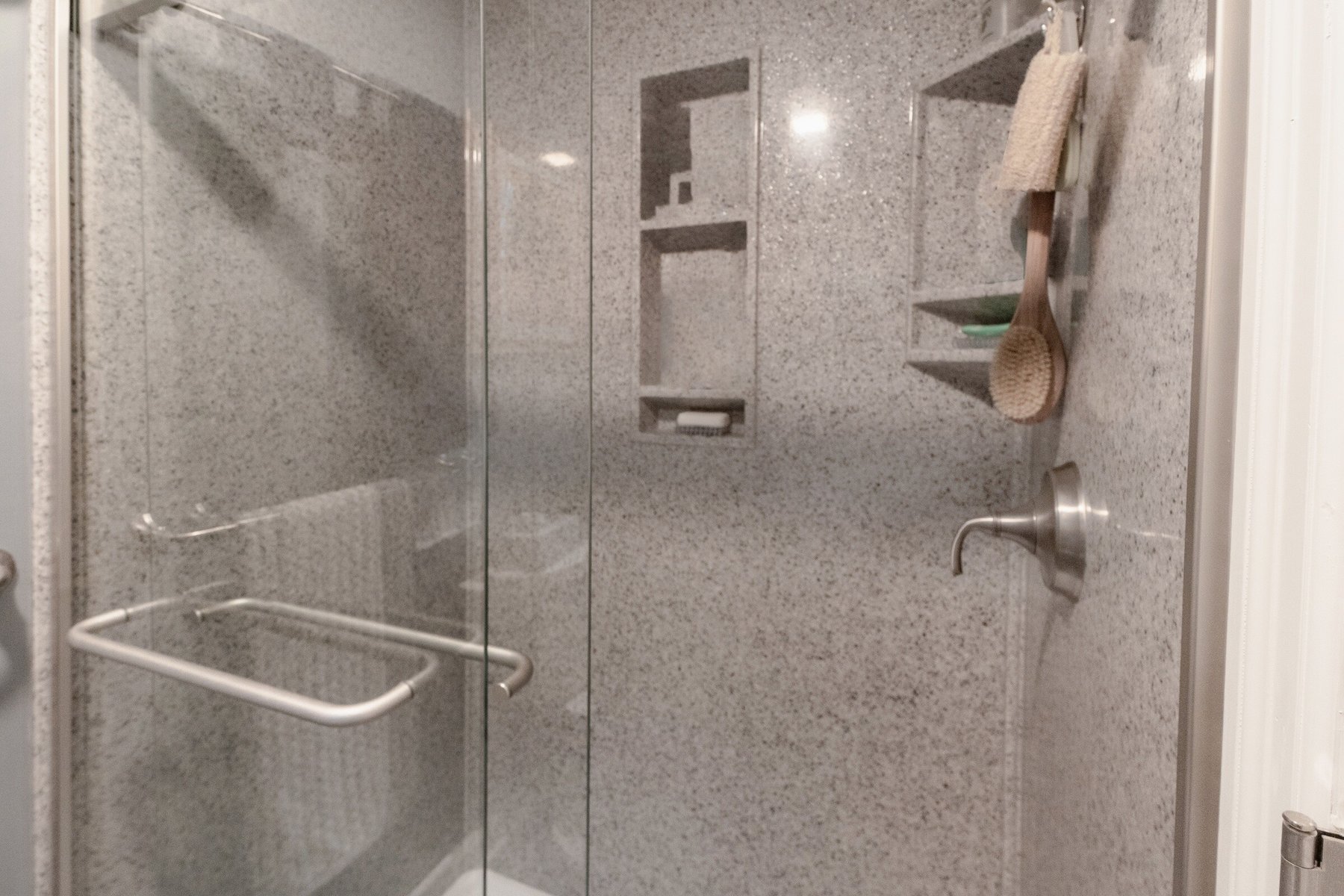
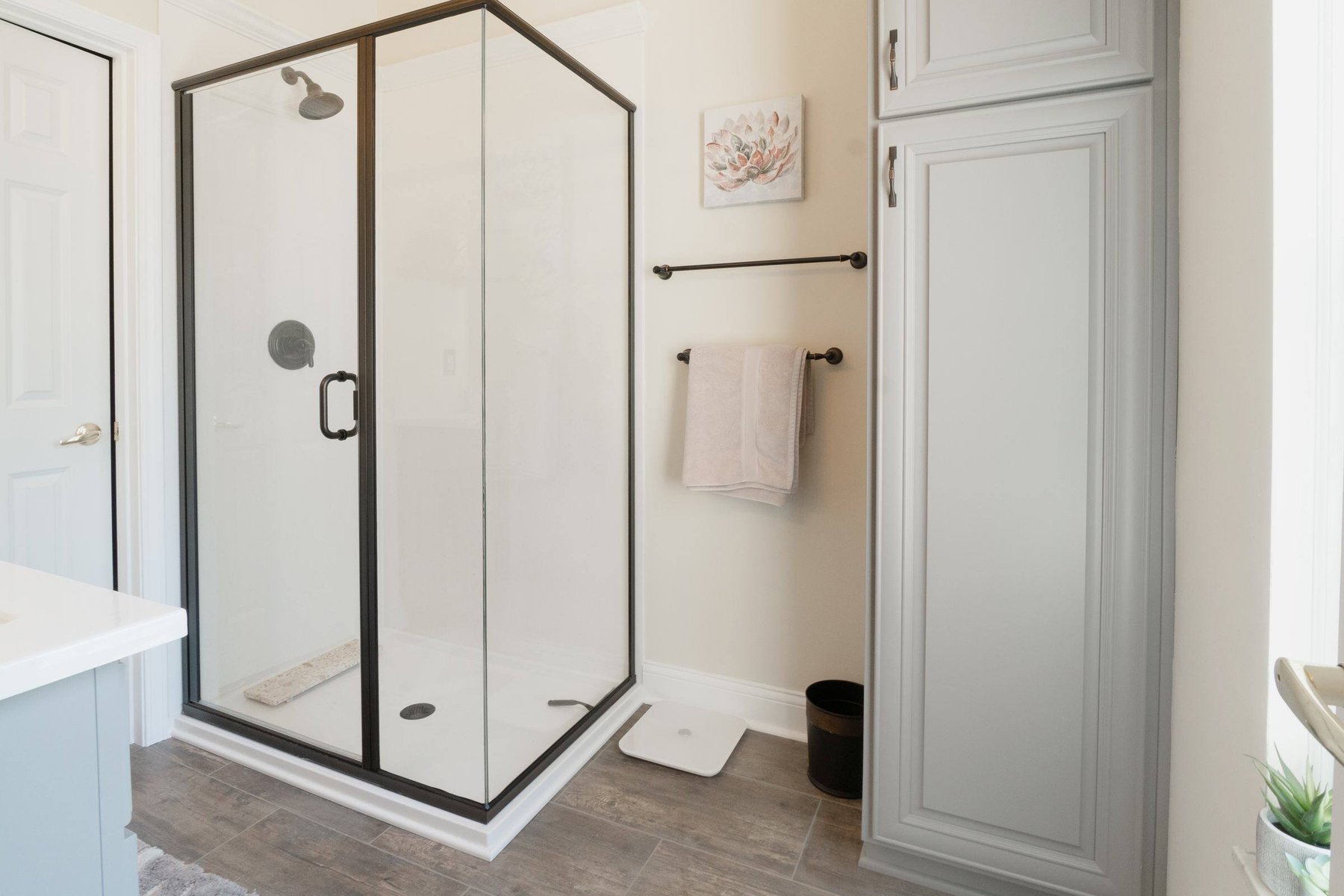
Look for projects the size and style of yours, and for rooms with the same constraints. Anyone can photograph a large owners suite well.
Step 6: Ask about timeline and process
You should be told how long the room will be out of use, what happens on each day, and who is responsible for what. Vagueness here becomes frustration later.
Step 7: Compare quotes carefully, not just on price
Line up the scopes side by side before you look at the totals. The cheapest quote is often the one with the least in it, and the difference surfaces as change orders.
Step 8: Understand communication expectations
Ask who your single point of contact is and how often you will hear from them. Knowing who to call is worth more than you would think.
Step 9: Ask about warranties and support afterwards
Find out what is covered, for how long, and what happens if something needs attention in a year. Ask whether the warranty transfers.
Step 10: Choose the contractor, not the sales pitch
Be especially cautious of a price that is only valid today. High-pressure tactics exist to stop you comparing, and a company confident in its work does not need them.
Ready to talk it through?
A good consultation should feel like a conversation rather than a close. You should leave it better informed even if you decide not to go ahead.